Biomechanical Wearables Driving Precision in Dynamic Betting Markets for Basketball, Baseball, and Boxing
Rosa Russell · Aug 24, 2026
Biomechanical Wearables Driving Precision in Dynamic Betting Markets for Basketball, Baseball, and Boxing
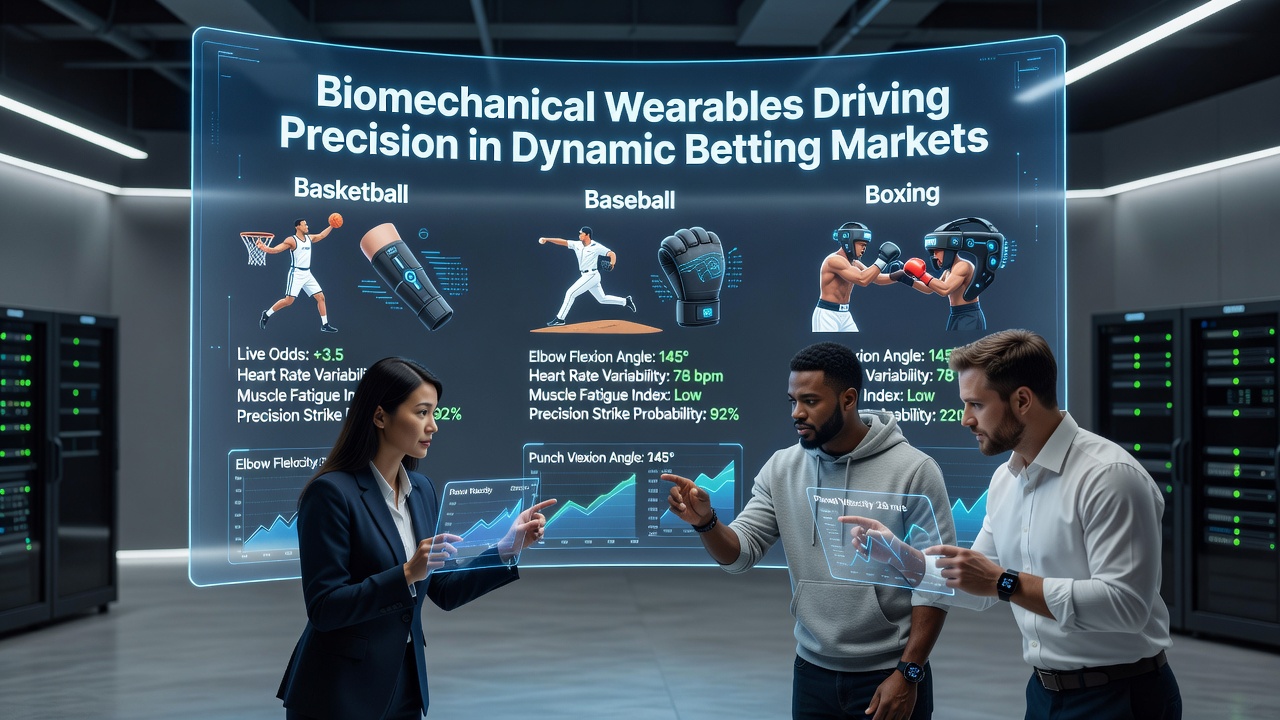
Biomechanical wearables have become central tools in modern sports data collection, and their integration into dynamic betting markets for basketball, baseball, and boxing continues to expand as operators seek finer metrics for in-play adjustments. These devices capture joint angles, acceleration patterns, force distribution, and muscle activation rates in real time, which platforms then translate into updated probability models during events. In August 2026 several major leagues are scheduled to release aggregated datasets from wearable trials that began in the prior season, giving betting markets additional layers of historical comparison for live odds.
Core Technology Behind the Data Stream
Sensors embedded in clothing or attached to the body transmit information through low-latency networks to centralized analytics engines, where algorithms compare current readings against player-specific baselines established over multiple matches. Researchers at institutions in North America and Europe have documented how even small deviations in stride length or shoulder rotation correlate with shifts in performance outcomes, allowing platforms to recalibrate wagers on next-play results or round-by-round scoring. Because the data arrives continuously, markets for basketball player props, baseball pitch velocity, and boxing punch accuracy can adjust within seconds rather than minutes.
Basketball Applications in Live Markets
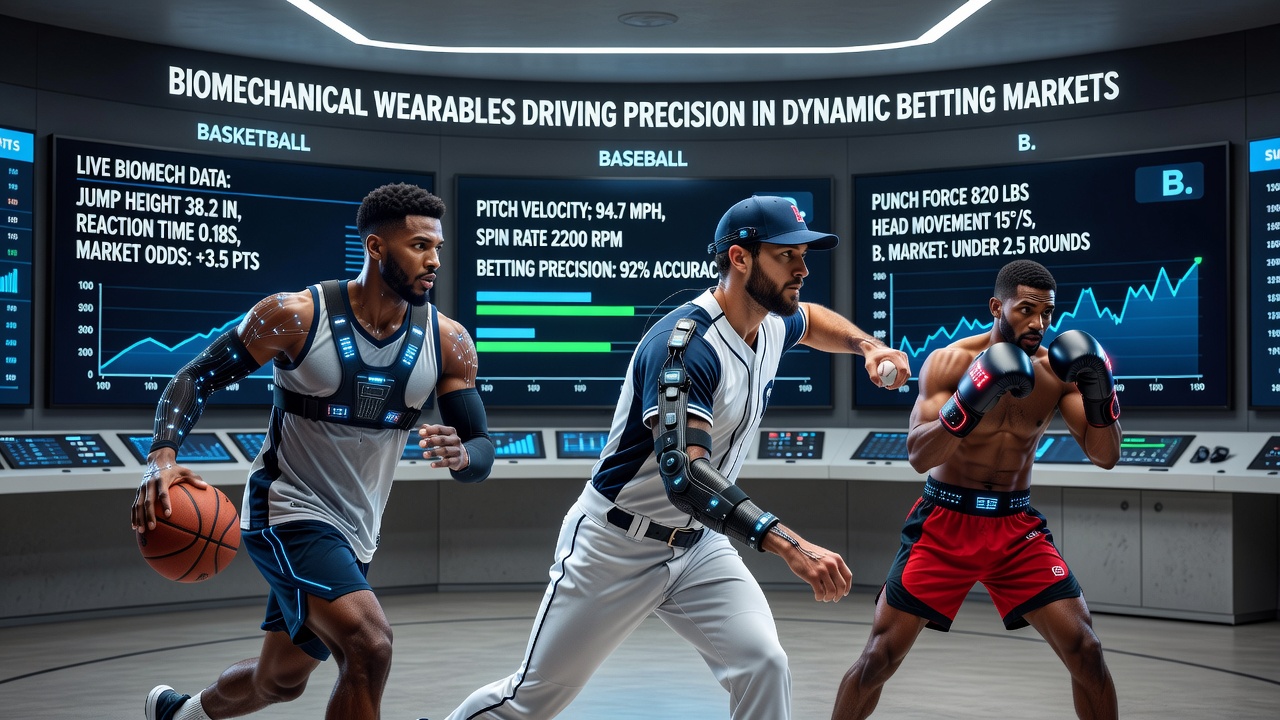
In basketball, wearables track vertical leap fatigue and lateral movement efficiency, metrics that directly influence live betting on points scored in the next possession or defensive stops. Teams outfit players during both regular season and playoff games, and the resulting streams feed into models that update totals and player performance lines as fatigue accumulates. Observers note that when a star guard shows reduced knee flexion in the fourth quarter, markets often move quickly on reduced scoring expectations for that athlete. Data collected across multiple seasons indicates these adjustments occur more frequently in high-stakes games where micro-variations compound over extended periods.
Baseball Pitching and Fielding Metrics
Baseball presents a different set of variables because individual plays unfold in discrete moments rather than continuous flow. Wearables attached to pitchers record elbow torque and release-point consistency, while outfielders wear devices that measure acceleration and directional changes during defensive sequences. Betting platforms incorporate these readings to refine propositions on strikeouts, hits allowed, or defensive errors within a single inning. In August 2026 several MLB clubs plan to expand wearable use in minor-league affiliates, which analysts expect will create deeper baseline libraries for comparing major-league performances during live events.
Boxing Round-by-Round Adjustments
Boxing wearables focus on punch force vectors, hand speed, and torso rotation, all of which operators monitor to update round-winning probabilities and stoppage odds. Because fights consist of short, high-intensity bursts, even slight reductions in punch power can shift implied probabilities before the next round begins. Regulatory bodies in Australia and Canada have begun reviewing how such granular data affects transparency requirements for in-play wagering, and several commissions now request summaries of wearable-derived adjustments from licensed operators. This oversight aims to ensure that rapid market shifts remain traceable to verifiable physical measurements rather than unverified speculation.
Integration with Betting Platforms
Operators combine wearable outputs with traditional statistics such as shooting percentages or knockout ratios, then layer the combined dataset into proprietary algorithms. The result is a continuous recalibration loop where each new sensor reading can alter the payout structure for wagers placed seconds earlier. Industry reports from research groups in the United States and the European Union show that platforms using these hybrid models experience narrower margins of error between predicted and actual event outcomes compared with models relying solely on historical box scores. Those improvements translate into more frequent but smaller price movements, which some market participants view as increased precision.
Regulatory and Ethical Considerations
Government agencies across multiple jurisdictions continue to examine data ownership questions surrounding athlete-generated biomechanical information. Questions arise over whether teams, leagues, or individual athletes control access to the raw streams, and how that access influences which betting firms receive the earliest updates. In 2026 several regional authorities plan public consultations on standardized disclosure rules for wearable-derived statistics in sports betting, aiming to balance competitive advantages with consumer protection standards already applied to other forms of real-time data.
Conclusion
The adoption of biomechanical wearables across basketball, baseball, and boxing has created new pathways for refining dynamic betting markets through continuous measurement of physical output. As leagues prepare additional data releases in August 2026 and regulatory frameworks evolve in different regions, the connection between sensor readings and live odds calculation is expected to grow more direct. The technology supplies measurable inputs that platforms convert into updated probabilities, and the resulting market behavior reflects those physical signals in increasingly granular ways.