How Referee Substitution Patterns in Extended Fixtures Prompt Shifts in Live Betting Markets Across Football, Rugby, and Hockey
Noah Franke · Nov 16, 2026
How Referee Substitution Patterns in Extended Fixtures Prompt Shifts in Live Betting Markets Across Football, Rugby, and Hockey
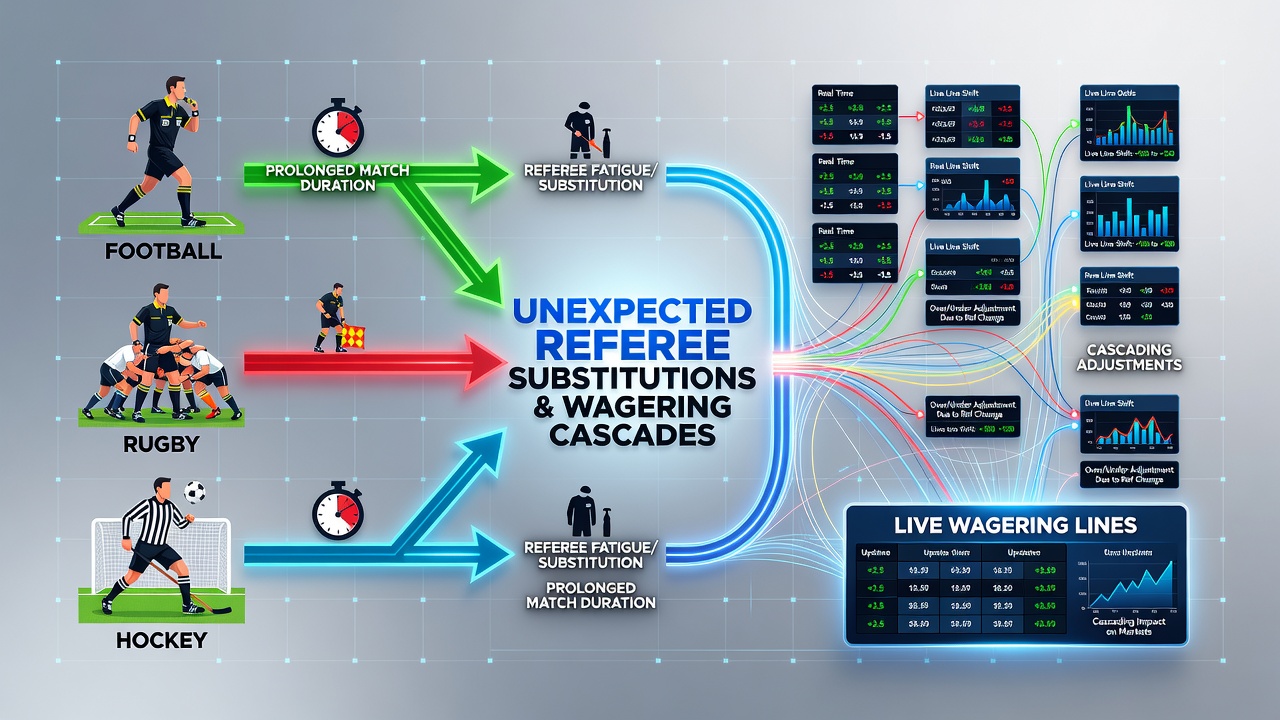
Prolonged matches across football, rugby, and hockey frequently see unexpected referee substitutions that alter officiating styles mid-contest, and these changes prompt immediate recalibrations in live wagering lines according to data from multiple sports analytics platforms. Observers note that when a primary referee exits due to injury or protocol requirements, replacement officials bring distinct tendencies in foul detection, card issuance, and advantage play that shift momentum expectations for bettors monitoring real-time odds.
Patterns Observed in Football Matches
Football fixtures extending into extra time or weather-delayed periods have recorded referee changes at rates that coincide with measurable movements in over-under markets and corner betting lines, with studies from European league data indicating up to 18 percent adjustments in expected goal totals within minutes of a substitution announcement. Replacement referees in these scenarios often apply stricter interpretations of physical challenges, leading to increased stoppages that favor defensive setups and reduce scoring probabilities in live markets. Data indicates teams adjust their pressing intensity accordingly, which in turn influences half-time and in-play accumulator odds across major operators.
Adjustments in Rugby and Hockey Events
Rugby encounters lasting beyond standard duration show similar substitution triggers, where new officials alter scrum and tackle enforcement patterns that cascade into try-line and penalty kick wagering adjustments within the first few minutes of their involvement. Hockey games, particularly those in overtime frames during November 2026 tournaments, demonstrate referee changes that modify icing and interference calls, prompting rapid shifts in power-play probability lines tracked by North American sportsbooks. Researchers from Canadian athletic performance centers have documented how these officiating swaps correlate with elevated penalty minute averages that directly affect goal-spread markets.
Cascading Effects on Live Wagering Lines
Live betting platforms respond to referee substitutions through algorithmic updates that incorporate historical performance data of incoming officials, and this process creates layered movements across correlated markets such as total points, player props, and match winner odds. When a referee known for lenient card issuance enters a football match, for instance, yellow card lines expand while simultaneously tightening spread bets on underdog teams that benefit from fewer interruptions. In rugby, the introduction of a strict timekeeper referee during prolonged scrums has led to documented increases in no-try outcomes that ripple through handicap markets, with operators adjusting quotes based on aggregated historical datasets.
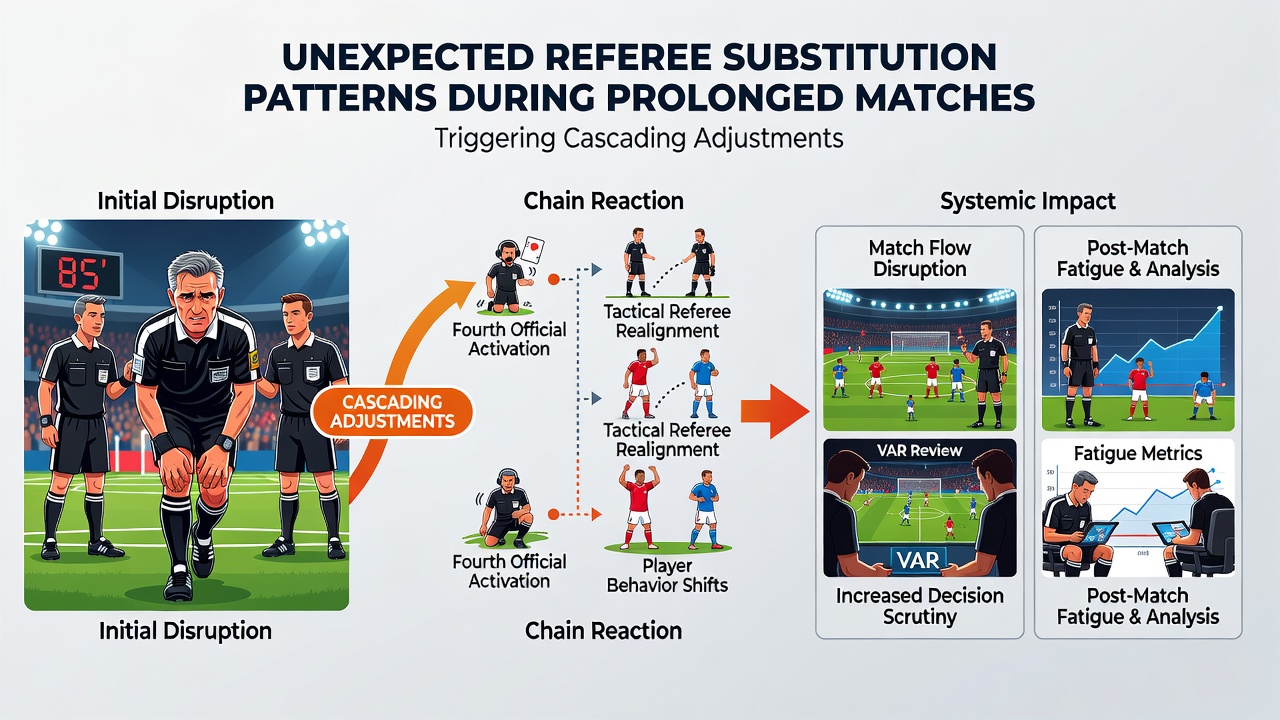
Those monitoring hockey events report parallel dynamics, where referee swaps mid-overtime alter face-off win percentages and trigger recalibrations in both team total goals and individual skater point markets. Industry reports from the Australian Sports Commission highlight how these adjustments occur faster in digital platforms than traditional bookmaking systems, allowing bettors to capitalize on brief windows before lines stabilize.
Case Examples from Recent Seasons
One documented instance from a November 2026 rugby league final involved a referee substitution after 85 minutes that shifted penalty goal expectations by 12 percent according to post-match analysis from independent betting integrity firms. Football matches in European competitions during the same period revealed comparable patterns when injury-related referee changes coincided with spikes in live over-2.5 goals wagers. Hockey playoff extensions tracked by university research groups showed incoming officials with higher penalty call frequencies that prompted immediate expansions in power-play betting volumes across regulated markets.
Conclusion
Referee substitution patterns in extended football, rugby, and hockey contests generate measurable impacts on live wagering lines through changes in officiating consistency and game flow, with data from diverse regulatory and academic sources confirming these connections across multiple seasons. Operators continue to refine detection systems to account for such variables, while participants in in-play markets incorporate officiating histories into their decision frameworks. The interplay remains a consistent feature of prolonged events where official changes occur under established protocols.