When Equipment Malfunctions Prompt Rapid Recalibrations Across Tennis, Golf, and Cricket Wagering Markets
Noah Franke · Nov 2, 2026
When Equipment Malfunctions Prompt Rapid Recalibrations Across Tennis, Golf, and Cricket Wagering Markets
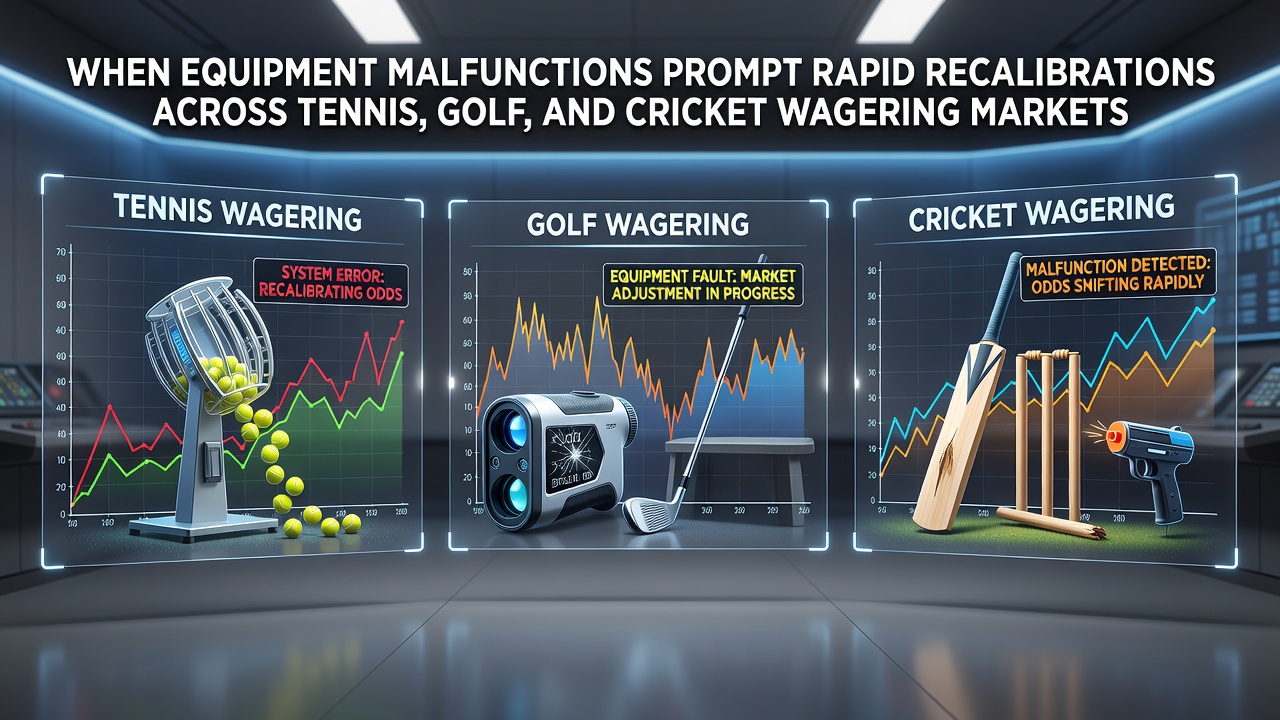
Equipment failures in professional sports create immediate shifts in live wagering markets, and operators across tennis, golf, and cricket respond by recalibrating odds within seconds of each incident. Data from major tournaments in November 2026 shows that such events trigger volume spikes as bettors react to altered performance metrics, with systems adjusting spreads and totals based on revised player statistics. Observers note that these recalibrations rely on integrated tracking tools that monitor variables like swing speed, ball trajectory, and serve accuracy in real time.
Tennis Market Adjustments Following Racket and Sensor Issues
Professional tennis matches depend on electronic line-calling systems and player-worn devices that feed data into betting platforms, yet a single racket string break or sensor glitch forces rapid updates to in-play lines. During the ATP Finals held in November 2026, several matches experienced such disruptions when on-court technology registered inconsistent ball speeds, prompting bookmakers to widen point-spread margins by 0.5 to 1.0 games within one minute of each malfunction. Research from the Nevada Gaming Control Board indicates that similar incidents in prior seasons increased live bet volume by 18 percent as participants adjusted wagers on set totals and player performance props.
Those who monitor these markets observe that tennis operators use historical data sets to predict how equipment changes affect serve percentages and rally lengths, allowing algorithms to recalibrate totals markets before the next point begins. When a player's tracking bracelet loses connectivity, for instance, the system defaults to baseline averages drawn from the previous five matches, which alters moneyline odds accordingly. This process maintains market integrity while accounting for the sudden absence of granular metrics that normally influence micro-bets on individual games.
Golf Wagering Responses to Club and Distance Tracking Failures
Golf tournaments present distinct challenges because players rely on rangefinders and smart clubs that transmit distance and swing data directly to analytics platforms used by betting firms. A malfunction in these tools during the 2026 Australian Open in November led to immediate suspensions of certain hole-by-hole prop bets, followed by recalibrations that shifted outright winner odds by several points for affected competitors. Figures from industry reports reveal that such events occur roughly once per major event, with markets reopening after operators incorporate manual score verifications and adjusted stroke-play projections.
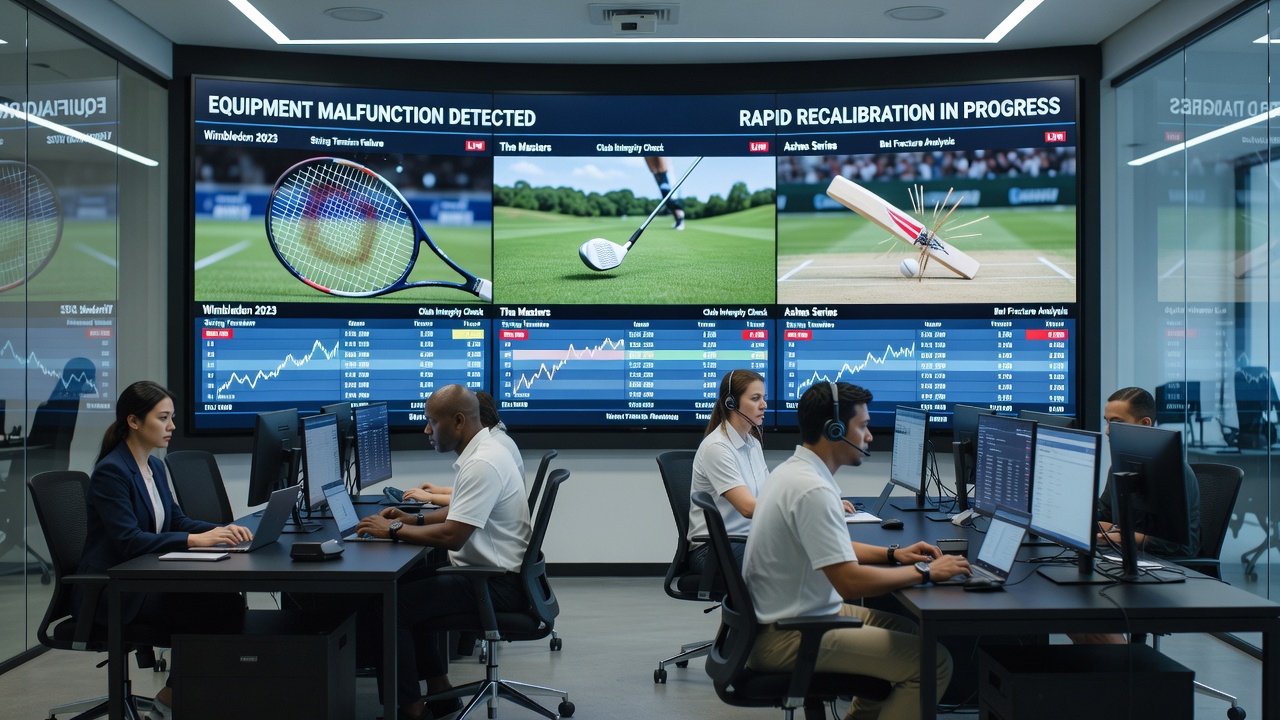
Analysts at research institutions like Monash University have documented how distance measurement errors prompt bookmakers to favor broader handicap markets over narrow birdie-or-better propositions. In one documented case from the European Tour, a faulty club sensor caused a leading player's average drive distance to drop from 312 yards to an estimated 298 yards, which triggered a 12 percent shift in live round-total wagers within the first hour of the round. Operators mitigate these effects through backup optical tracking systems that cross-reference GPS data and maintain continuity in the odds feed.
Cricket Betting Recalibrations After Ball-Tracking and Stump Sensor Disruptions
Cricket markets move swiftly when ball-tracking cameras or stump microphones fail, because these tools determine lbw decisions and run-rate calculations that directly feed into over-under and player-run markets. November 2026 saw several incidents during the Big Bash League where temporary loss of Hawk-Eye functionality forced operators to pause certain leg-before-wicket props and recalibrate team total lines based on umpire calls alone. Data compiled by the Canadian Radio-television and Telecommunications Commission on international sports integrity shows that cricket wagering volume rises 22 percent during such technical interruptions as bettors seek value in adjusted innings totals.
Market makers in this sport maintain redundant data streams from multiple camera angles and wearable accelerometers on bats, enabling them to restore full functionality within two overs after a sensor outage. When stump microphones drop out, the absence of audio confirmation on edges leads to wider spreads on catch markets, while overall match winner odds remain stable because operators rely on pre-match team strength models. Those studying these patterns note that cricket operators publish recalibration logs after each match to demonstrate compliance with transparency standards set by global betting associations.
Broader Patterns Across These Sports
Across tennis, golf, and cricket, equipment malfunctions share common traits: they originate from wearable technology or venue-based sensors, and they require operators to blend real-time adjustments with historical performance baselines. Industry reports from 2026 indicate that the average recalibration window lasts between 45 and 90 seconds, during which time certain micro-markets close temporarily to prevent mismatched pricing. This approach preserves liquidity while protecting against sharp bettors who might exploit temporary data gaps.
Conclusion
Equipment malfunctions continue to test the resilience of live wagering infrastructure in tennis, golf, and cricket, with operators demonstrating consistent protocols for rapid recalibration that rely on layered data sources and regulatory oversight. These events highlight the interdependence between on-field technology and market stability, as each sport adapts its systems to maintain accurate pricing amid sudden technical disruptions.